Tips
Jan 9, 2026
Decoding Modular Kitchen Installation in Chennai Apartments
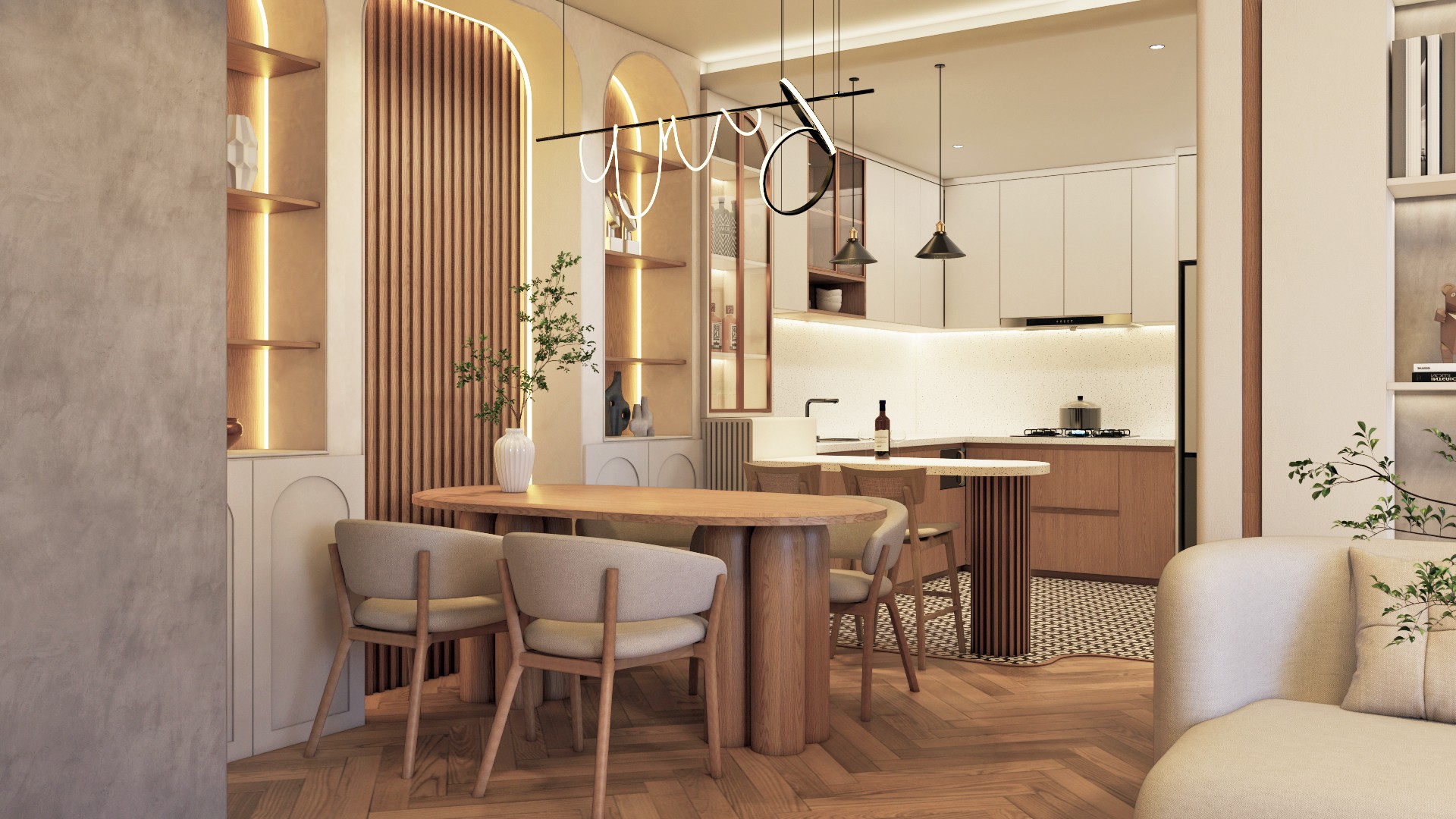
Making Sense of Modular Kitchens in Chennai Apartments
Modular kitchen installation in Chennai can feel confusing. One person talks only about square feet, another focuses on hardware brands, a third sends a sketch on a chat app with a single lump sum. Timelines are vague, material names sound like a different language, and it is hard to know what actually matters in a real Chennai apartment.
Apartments in this city also have their own quirks. Builder handover quality varies, plumbing and gas lines are often fixed, balconies and utility areas are tight, and humidity quietly tests every material choice. So it helps to see how the whole process really works, in our local context, from layout and materials to cost and timelines.
Materials That Survive Chennai Heat and Humidity
Once the layout is clear, the next big question is material. In our climate, humidity and occasional seepage quietly test every panel, edge and joint.
Common carcass materials you will hear about include the following:
Pre-laminated particle board
Commercial ply
BWR or BWP ply
HDHMR
Pre-laminated board can work in drier, upper cabinets but tends to suffer near sinks and damp walls if not detailed carefully. Edges need proper banding and sealing. Commercial ply handles light moisture better than board, but it is not the same as BWR or BWP grades that are treated for higher moisture exposure.
HDHMR is denser than normal board and handles humidity better, which is why it is used widely for shutters and some carcasses. For Chennai, where bathrooms sit above kitchens and balcony walls can hold moisture, the right mix of material and detailing is more important than the name on paper.
Several local climate realities directly affect longevity:
Coastal humidity that never really drops
Seepage risk from bathrooms above the kitchen
Heat build-up in small, closed apartments
Daily steam from idli, rice and boiling
If the wrong material or poor detailing is used, the problems usually show up in predictable ways:
Swelling at edges near the sink
Shutters going out of alignment over time
Drawer channels rusting or getting noisy
Laminate bubbling near constant dampness
A realistic way to think about lifespan is by usage and exposure, not just years. Upper cabinets in a dry wall area can last well past a decade with basic care, while sink units and lofts near a bathroom wall need more careful material and hardware choices. Similarly, very heavy daily cooking demands better hinges, thicker shelves and regular checks.
For many Chennai apartments, a sensible mix often looks like moisture-resistant core near wet zones, careful use of board only where risk is low, and clear sealing and ventilation around plumbing.
The Real Cost Structure and Timeline of a Modular Kitchen
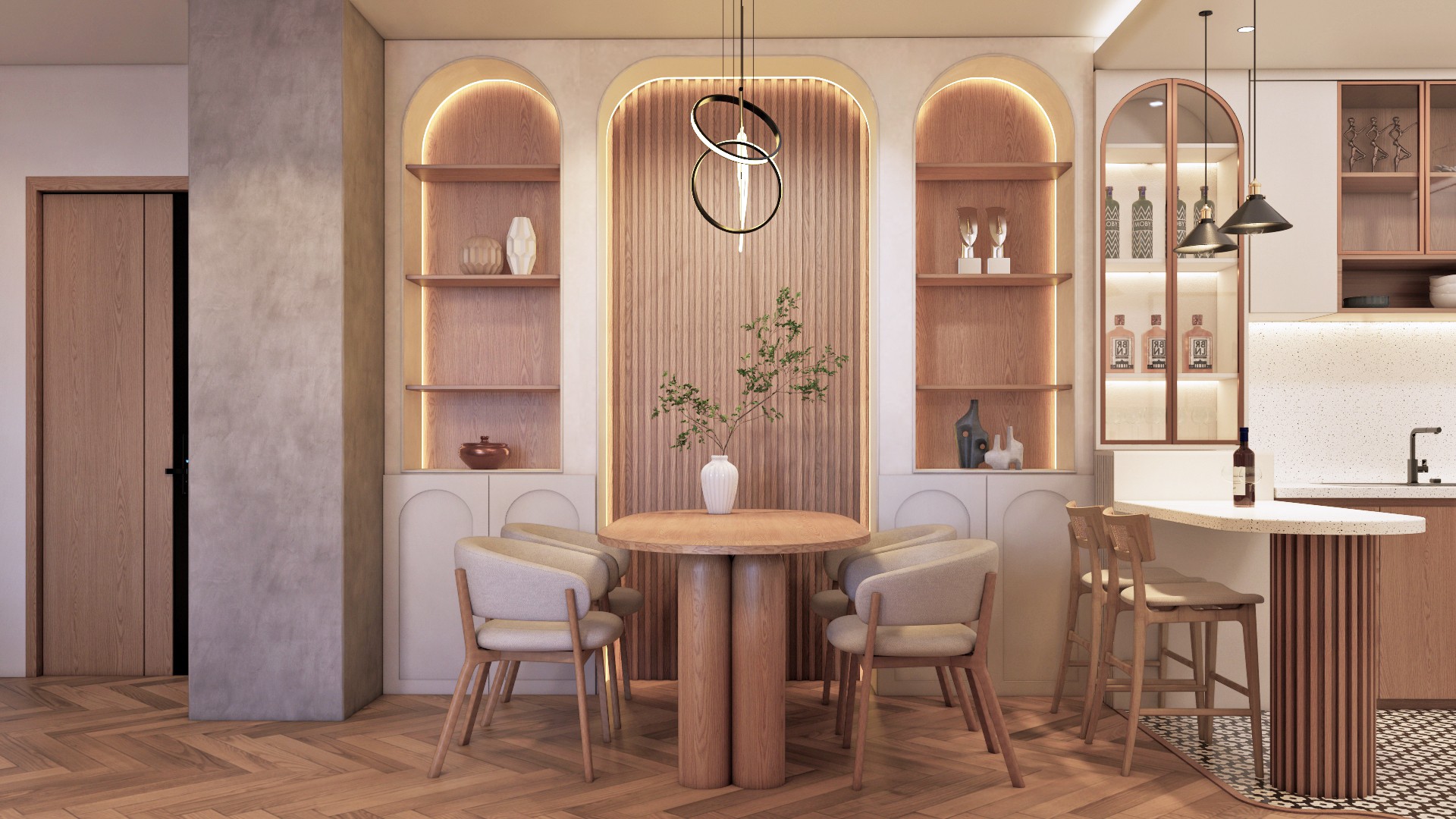
People are often shown just a per-square-foot figure for modular kitchen installation in Chennai. That number hides how different components add up, because the real cost is built from multiple parts:
Core materials for carcass and shutters
Finishes like laminate, acrylic or PU
Hardware like hinges, channels and lift-ups
Accessories like cutlery trays, corner units and tall units
Appliances such as hob, chimney, oven or dishwasher
Site work like dismantling, civil tweaks and electrical work
Labour for installation and finishing
For a typical 8 to 10 foot parallel kitchen, the same layout can look very different in three basic bands, mainly due to material grade, hardware type, and accessory depth:
Basic range: Pre-laminated board carcass, laminate shutters, standard hinges and channels, simple wire baskets
Mid-range: Ply or HDHMR carcass, laminate or acrylic shutters, soft-close hardware, a few smart accessories
Premium: High-grade ply carcass, premium acrylic or PU shutters, branded soft-close systems, organised internal accessories
Many quotes also miss items that later show up as add-ons. Common examples include:
Extra electrical points for chimney, microwave or dishwasher
Shifting gas pipeline or moving cylinders to utility
Core cutting for chimney ducting through beams or external walls
Mild civil work like trimming or dismantling builder platforms
GST handling and separate labour or installation line items
On timelines, a typical project moves through these stages:
First site visit and measurements
Design options and basic layout freezing
Material and finish locking, along with internal accessories
Detailed BOQ creation and sign-off
Factory production and procurement
Site readiness check, including walls, flooring and electrical
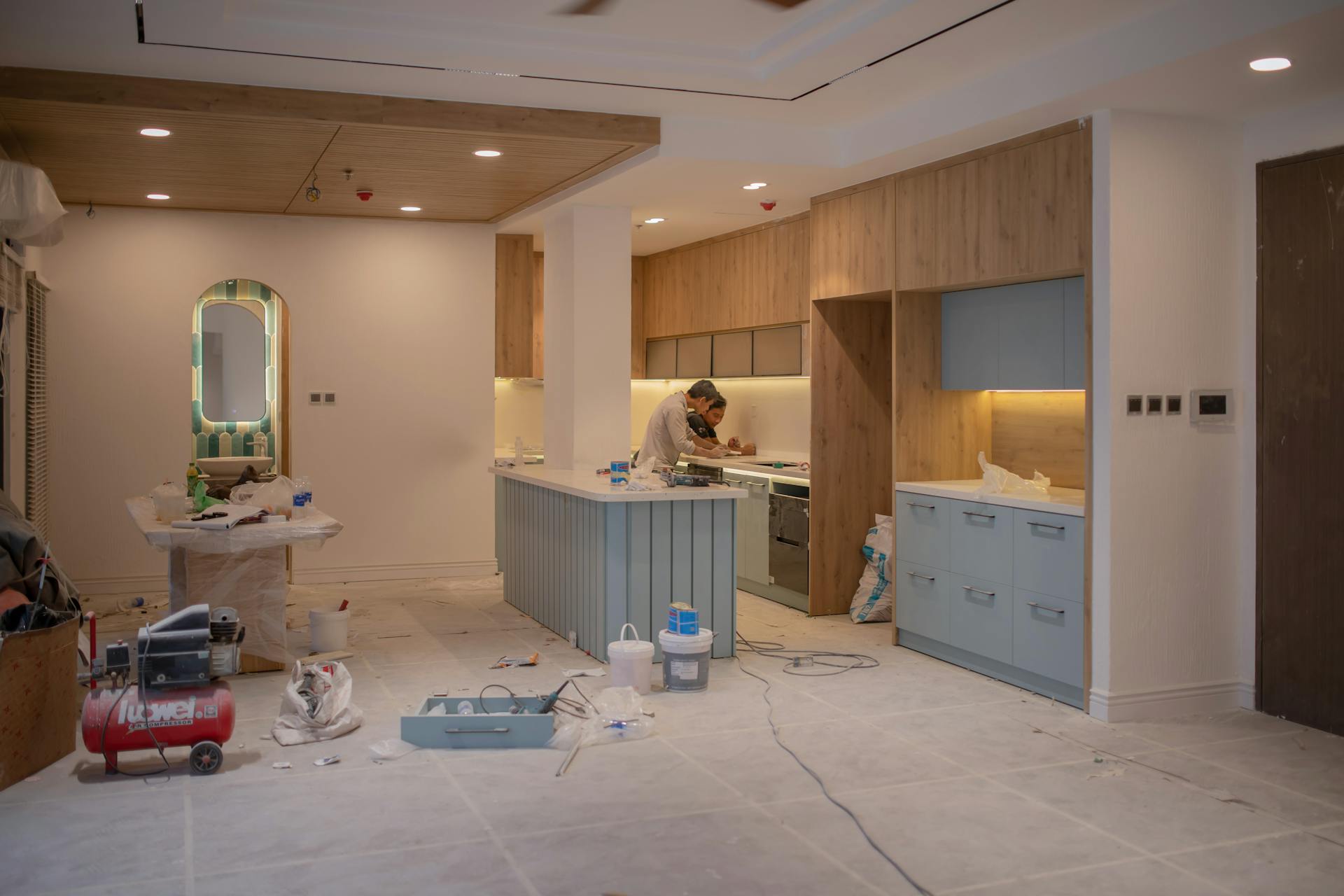
Installation at site
Snag checks and rectification
In Chennai apartments, timing is also shaped by building-level constraints. Association rules on work timings and noise, lift usage schedules for moving materials, slower days around festival periods, and interruptions during heavy rain or water supply work in the building can all affect the calendar.
From design freeze to final handover, many modular kitchens finish in a few weeks, but late decisions on layout, finishes or appliances can easily stretch that.
Coordinating Builders, Appliances and Everyday Use
Before starting work, checking what the builder has handed over saves time and rework. We normally look at:
Wall plumb and squareness
Counter or slab level if it already exists
Water inlet and outlet positions
Floor slope near the sink and utility
Builder and association rules also affect planning, so it helps to confirm these early to avoid mid-project surprises:
Permitted work timings and days
Whether heavy materials can go in the lift
Where debris can be stored and how it must be cleared
Any rule about chimney ducting through external walls
For chimney ducting, we need access to the external wall or shaft and alignment with the hob position. Gas line adjustments may need approval or at least a record with the association.
Appliances should be planned from day one, not at the end, because appliance sizes and service access often dictate cabinet dimensions and electrical/plumbing points. Typically, we check:
Hob versus freestanding cooktop and cutout sizes
Built-in or counter-top oven and microwave positions
Dishwasher height, width and plumbing access
Fridge door swing and clear pathways
Chimney choices in Chennai also depend on cooking style and building rules. The following practical points usually decide performance:
Sufficient suction for heavy masala cooking
Ducted systems that throw air outside work better but need a clear route
Ductless models are a compromise in towers where ducting is tightly restricted
Shorter, straighter ducts usually perform better
Good cross-ventilation and window size also reduce heat build-up. Planning these details before peak summer use makes a big difference to comfort during daily cooking.
Common Pitfalls and Practical FAQs for Chennai Homeowners

First-time buyers often trip over the same issues:
Underestimating storage for steel vessels, bigger urulis and weekly groceries
Ignoring the split between wet and dry zones
Forgetting where the water purifier will sit and how the drain will run
Assuming the chimney can be added anywhere without checking duct path
On paperwork, watch for the issues below, because they usually lead to disputes later:
Missing or incomplete drawings
Vague notes like "ply" or "laminate" without clear specification
Warranty explained verbally but not written
Civil and electrical scope not clearly separated
Before paying the final amount, basic checks help:
Shutter alignment and gap uniformity
Smooth soft-close action on drawers and hinges
Edge band finish and sharp corners
Silicone sealing around sink and any gaps to the wall
Chimney performance with real cooking levels of steam and smoke
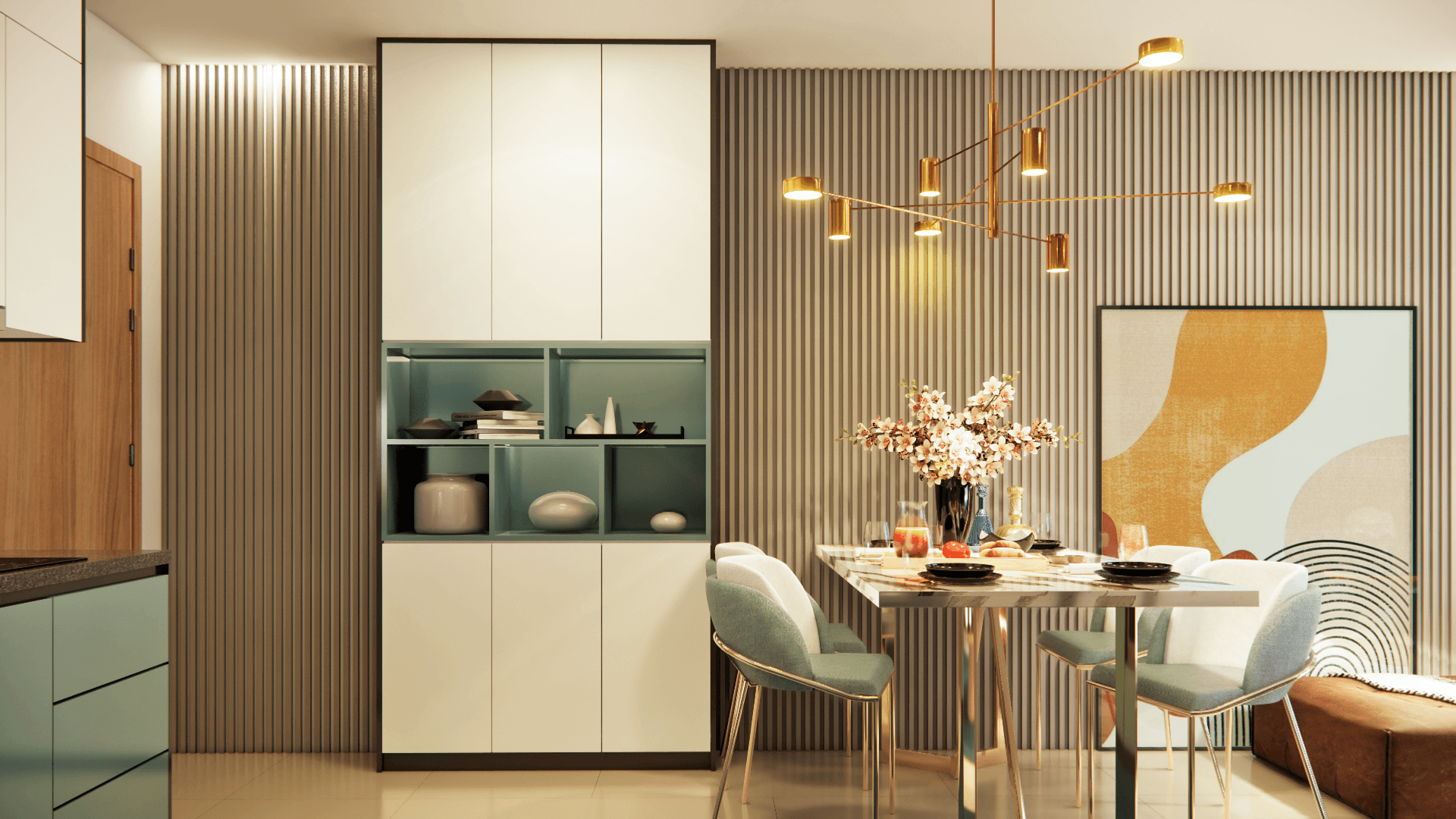
Transform Your Kitchen Into A Space You Truly Love
If you are ready to upgrade your cooking space with thoughtful design and lasting finishes, our team at Interiors by DeX is here to help. Explore how our expert modular kitchen installation in Chennai can be tailored to your home, lifestyle and budget. Share your requirements with us today and we will guide you through layouts, materials and timelines so you can move forward confidently. To discuss your project or request a consultation, simply contact us.
FAQs
Frequently asked questions
Find helpful answers about our services, detailed process, and bringing your vision to life.
How long does modular kitchen installation in a Chennai apartment usually take from design finalisation to handover?
Do we need to remove the builder platform or can we build over it?
How should we compare two kitchen quotes that look very different in price?
What maintenance does a modular kitchen in Chennai need over five years?
When is the right stage to start kitchen work in a new flat handover?